Why New York is different
New York is not one market, it is dozens of micro-markets stacked on top of each other. A searcher in the Financial District, one on the Upper East Side and one in Park Slope see different results for the same query, because Google weighs proximity heavily for local services. A single “New York” service page rarely ranks for any of them.
Competition is also deeper than almost anywhere else. In legal, medical, finance and real estate, the top results belong to firms that have invested in content, links and reviews for years. Winning here is less about tricks and more about doing the fundamentals better and more consistently than established competitors.
How we approach it
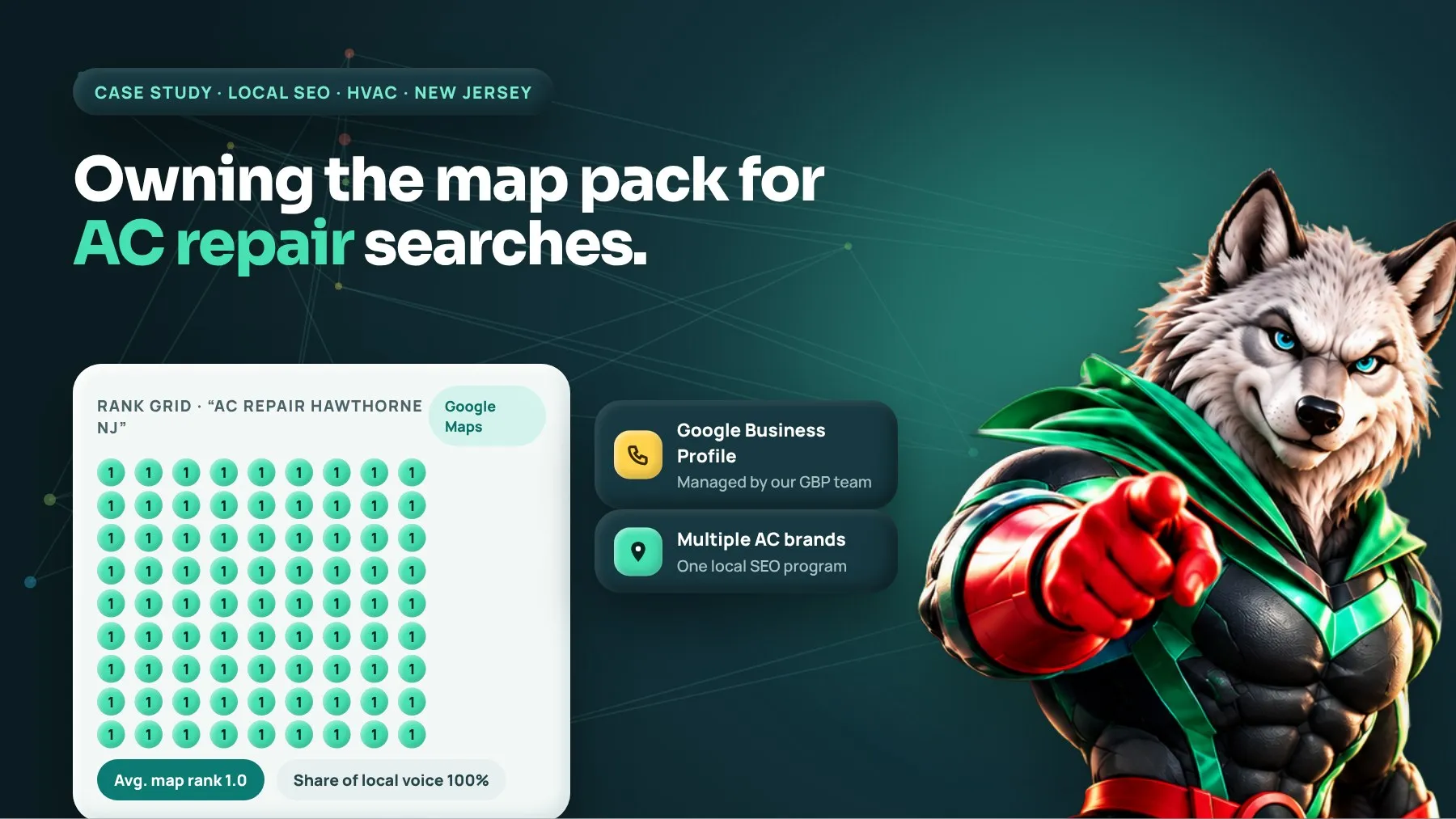
We start by mapping where your best clients actually come from, by borough, neighbourhood and ZIP code, and build the site structure around those areas: dedicated service-area pages, a Google Business Profile that is fully complete, and reviews that mention the services and places you want to rank for.
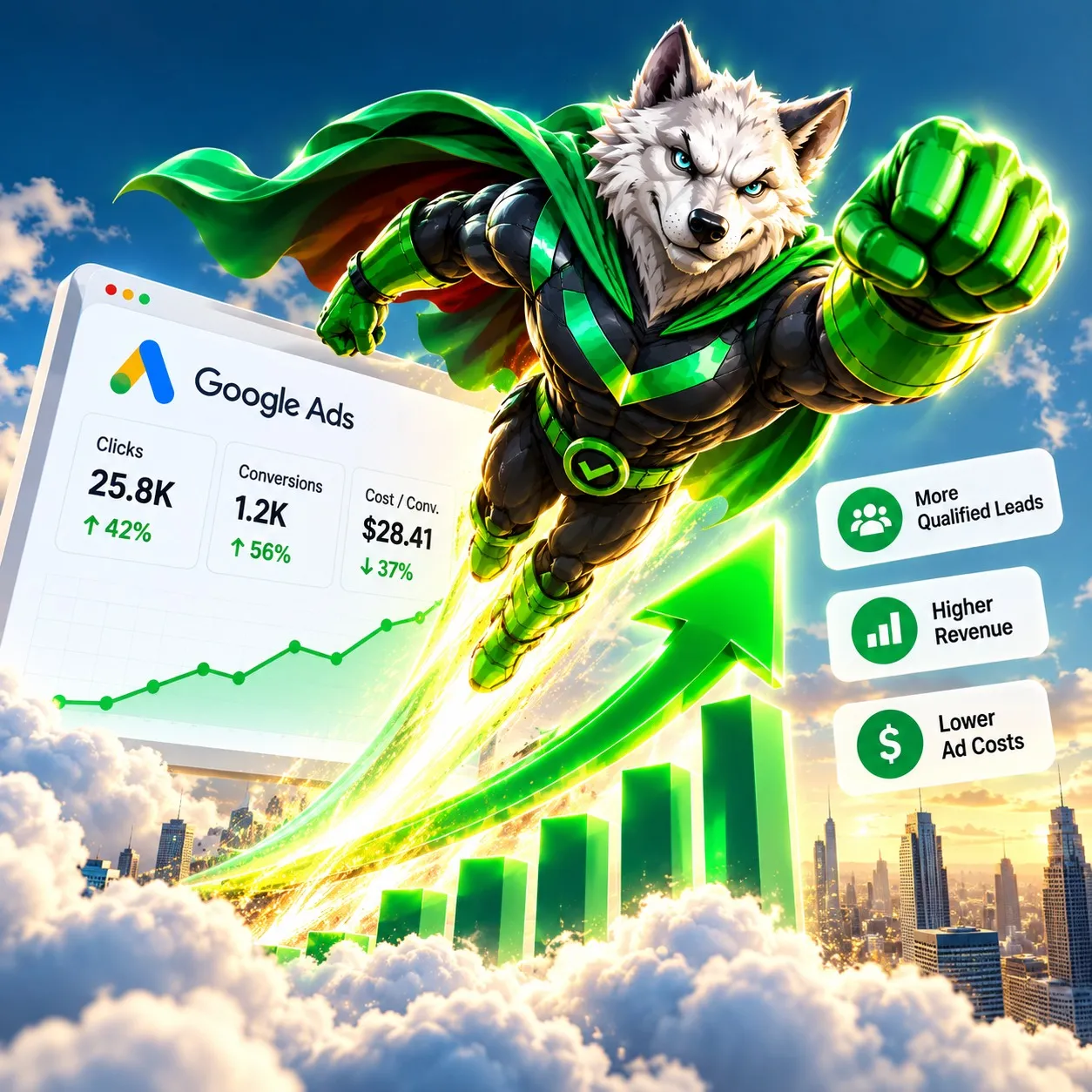
On the paid side, we restrict Google Ads to the areas and hours that convert, add negative keywords aggressively and import offline conversions from your CRM, so the algorithm learns which clicks become signed clients. In a market with expensive clicks, cutting waste is often worth more than any new campaign.
Finally, we build authority: expert content that answers the questions New York buyers ask before they call, and digital PR that earns mentions on publications and directories Google and AI assistants trust.
What to expect in the first 90 days
Weeks one and two cover the audit, tracking fixes and quick wins such as Google Business Profile updates and landing-page speed. By the end of month one, Google Ads is restructured and you have a 90-day plan with clear targets. From month two, new service-area pages, content and links go live, and local rankings typically begin to move before the more competitive head terms.