

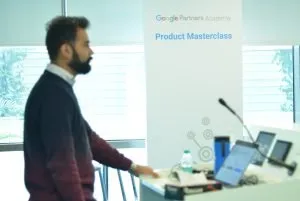
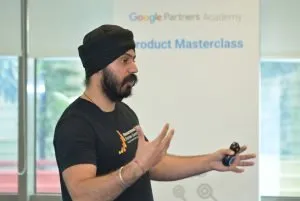
Some days shape how an agency works for years. This was one of them. Our team got up early and made a hectic six-hour, 260-kilometer journey to Google India’s office in Gurugram for a special seminar Google held for agencies and advertisers running paid campaigns. The class was called the Product Masterclass, and it ran for more than seven hours.
This post is our account of the day, and, because it took place several years ago, an honest look at what has changed since and what the lessons mean for business owners spending on advertising today.
What the Product Masterclass covered
Google used the day to walk agencies and advertisers through tips and techniques across its advertising and measurement products:
- AdWords Search, the search advertising platform now called Google Ads.
- DoubleClick Campaign Manager, Google’s ad serving and campaign measurement tool for larger advertisers, since folded into Google Marketing Platform as Campaign Manager 360.
- Analytics and Analytics 360, the free and enterprise versions of Google Analytics.
- Attribution 360, the headline topic of the day.
The instructors were genuine experts, and they taught in a way that made complex measurement ideas practical. There were laughs, there were serious discussions and, by the end, a great meal. Google takes what it does seriously, right down to a pantry that was bigger than our office and served a wide range of food.
The main lesson: Attribution 360
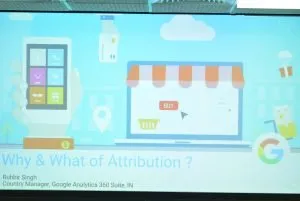
Attribution 360 was the product we learned most about. At the time it was already working in the United States and was about to arrive in India. We came away convinced it signaled a big shift in paid marketing.
What attribution means
Attribution is the question of which marketing touchpoints deserve credit for a sale or a lead. A customer might see a display ad, click a search ad a week later, read a blog post, then return through a branded search and buy. Which of those made the sale happen?
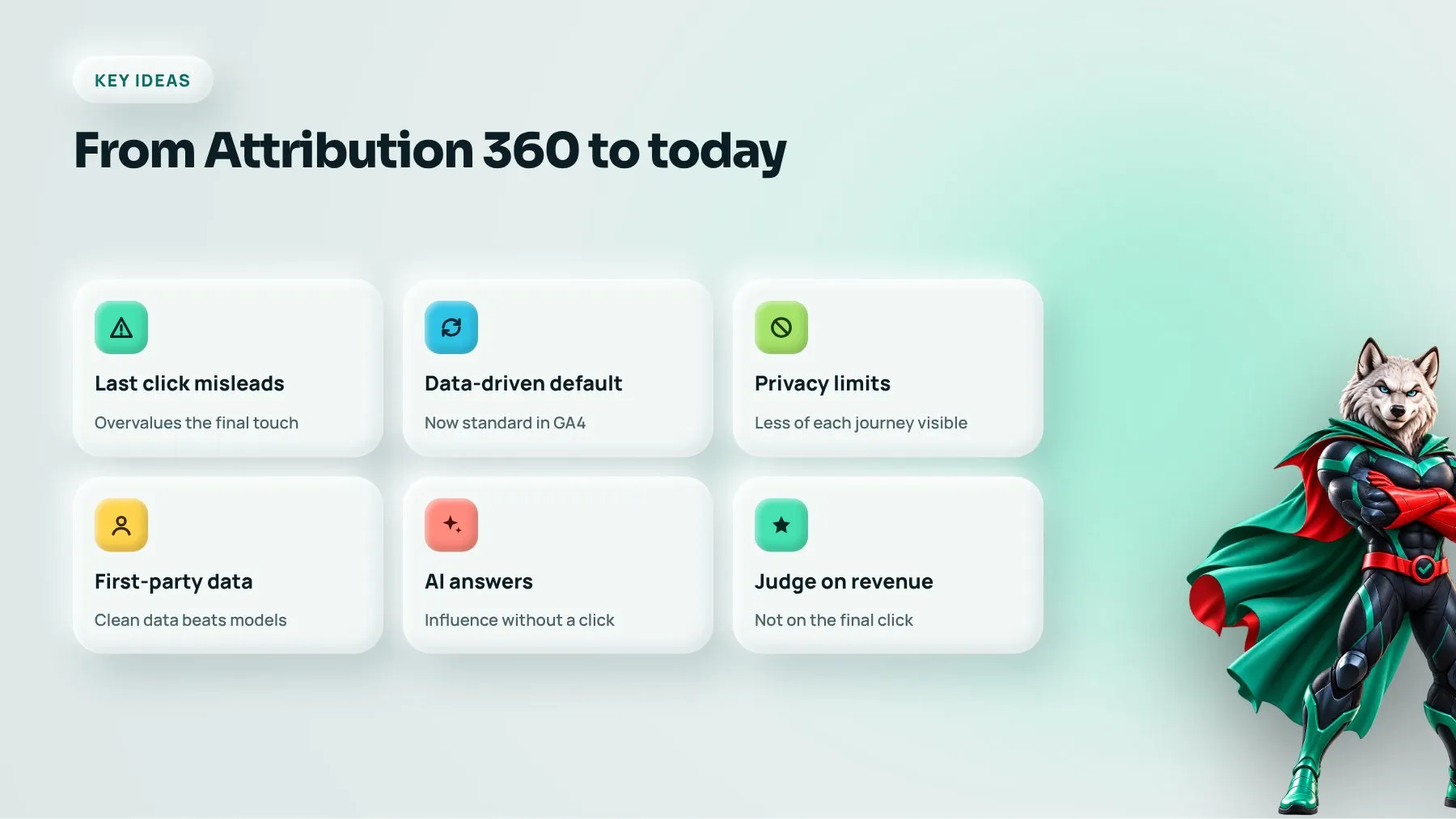
For years, most advertisers used last-click attribution, which gives all the credit to the final click. It is simple, but it is misleading. It overvalues branded search and retargeting, which tend to appear at the end of the journey, and undervalues the campaigns that introduced the customer to the brand in the first place. Businesses that judge campaigns on last click often cut the very channels that feed their pipeline.
Why Attribution 360 felt like a turning point
Attribution 360 promised a far richer statistical view: data-driven models that looked across channels and devices to estimate how much each touchpoint actually contributed. With that view, an advertiser could move budget toward what genuinely drives results and grow faster than when decisions were based on last click alone.
What has changed since that day
Looking back from 2026, the direction we saw that day turned out to be right, even though the product names changed.
Attribution moved into the everyday tools
Attribution 360 as a standalone product did not last. Its ideas were absorbed into the tools most advertisers already use. Google Analytics 4, which replaced Universal Analytics in 2023, uses data-driven attribution as its default model, and Google Ads moved the same way. Several older rule-based models such as first click and linear were retired. What once needed an enterprise product is now standard.
Privacy changed how data is collected
Browser restrictions on cookies, consent requirements in the UK and Europe, and changes on mobile platforms mean advertisers see less of each customer journey than they used to. Google’s answers include consent mode, enhanced conversions and modeled conversions that fill gaps statistically. Good attribution today depends on clean first-party data and properly configured consent, not just a clever model.
Search now includes AI answers
People increasingly get answers from AI Overviews and AI assistants before they click anything. Some influence now happens without a trackable click at all. That makes it even more important to judge marketing by its effect on the business, such as qualified leads and revenue, rather than by which channel happened to collect the final click. It is also why we now treat AI Overviews optimization as part of a full search strategy.
What this means for your advertising
Steps to measure marketing properly in 2026
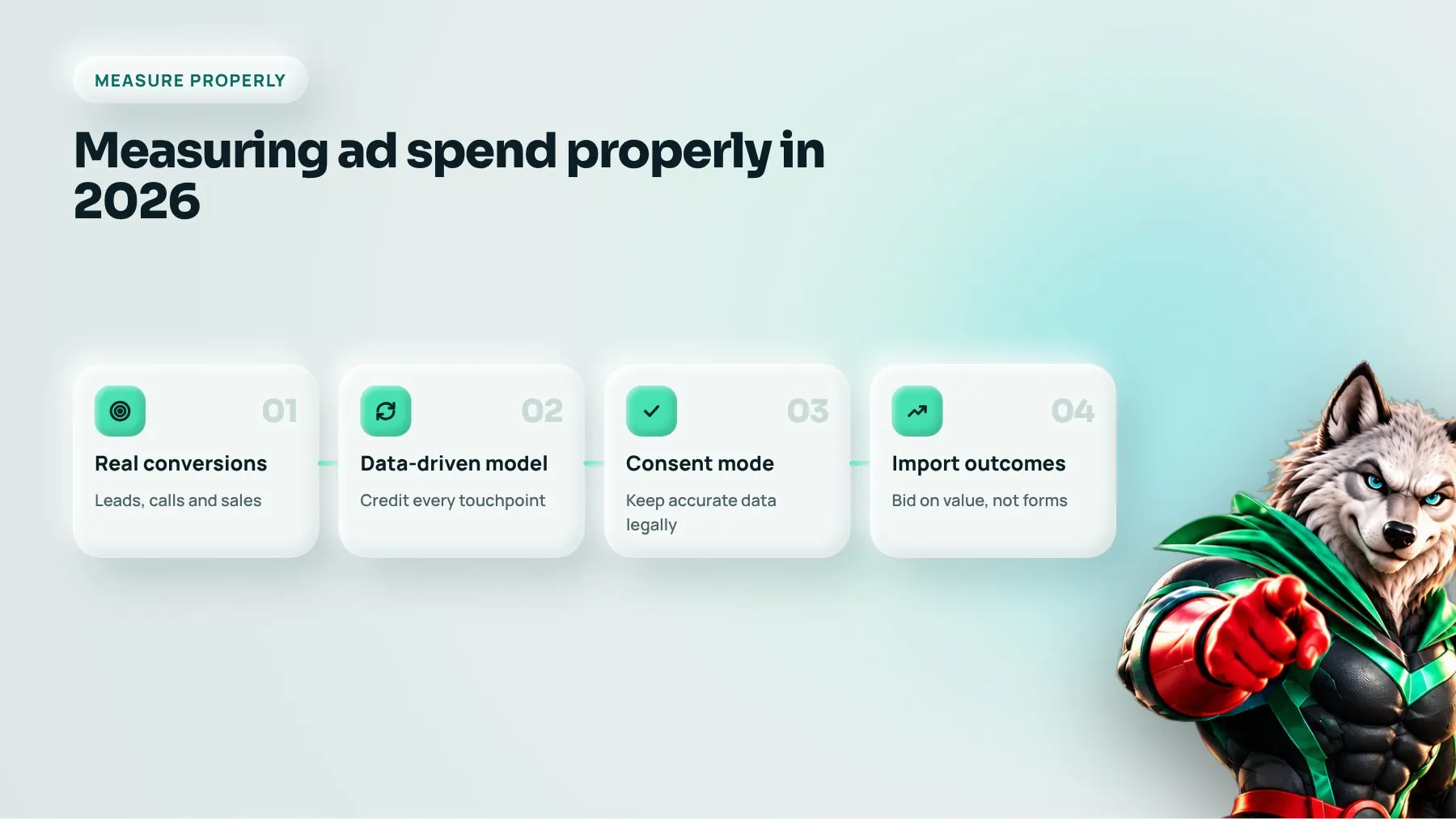
- Define real conversions. Track leads, calls, bookings and sales, not page views or time on site.
- Use data-driven attribution in GA4 and Google Ads, provided you have enough conversion volume for it to work well.
- Set up enhanced conversions and consent mode so you keep as much accurate data as privacy rules allow.
- Import offline outcomes. If sales close by phone or in person, feed qualified leads and revenue back into Google Ads so bidding optimizes for value, not just form fills.
- Compare channels on cost per qualified lead or revenue, and review the conversion path reports before cutting any campaign.
Common mistakes we still see
- Cutting upper-funnel or awareness campaigns because they look weak on last click.
- Counting every form fill as equal, including spam and unqualified enquiries.
- Running tracking that has not been checked since GA4 was installed, with duplicate or missing conversions.
- Trusting the ad platform’s own reporting without comparing it to actual sales.










FAQ
What is the difference between last-click and data-driven attribution?
Last-click gives all the credit for a conversion to the final ad or channel a customer clicked. Data-driven attribution uses your account’s data to estimate how much each touchpoint contributed, giving a fairer picture of which campaigns actually drive results.
Is Attribution 360 still available?
Not as a standalone product. Its approach was folded into Google’s main tools, and data-driven attribution is now the default in Google Analytics 4 and Google Ads.
Do small businesses need advanced attribution?
They need accurate conversion tracking more than complex models. Get leads, calls and sales tracked properly first; data-driven attribution becomes more useful as conversion volume grows.
A day well spent, and one that still shapes how we measure every campaign. If you want advertising judged on the results it drives for your business, see our Google Ads management, read more on our blog or book a strategy call.